
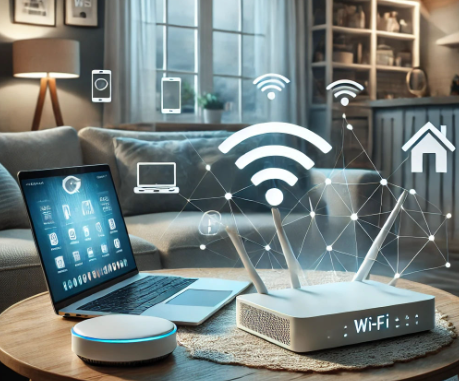
A 2-Minute Router Tweak for Better Netflix Streaming
When remote work is handled well, it can give a small business more flexibility, save commute time, and help people stay productive. When it is handled poorly, it can create constant little problems that wear people down: weak Wi-Fi, awkward video calls, background noise, neck strain, missing chargers, and files spread across too many devices.
A good home office does not need to look expensive or complicated. For most small business owners and remote workers, the goal is much simpler. You want a space that helps work happen with less friction, fewer interruptions, and less stress. That means thinking about reliability, comfort, security, and daily habits all at the same time.
The encouraging part is that you do not need a perfect room or a big renovation to get there. A spare bedroom helps, but a quiet corner, a small desk, and a few smart technology choices can still create a setup that feels stable and professional. With a little planning, your home office can support better focus during the day and make it easier to step away when work is done.
Why the setup matters more than people think
Many home office problems are not dramatic enough to feel urgent, but they add up. A laptop balanced on a kitchen table may seem fine for a day or two, but over time it can lead to posture issues, poor lighting, and a workday that feels scattered. A weak internet connection may only drop for a minute here and there, yet that is enough to derail a meeting or slow down cloud-based work.
For a small business, those little disruptions matter because they affect consistency. If you work from home yourself, they chip away at your ability to stay focused and serve customers well. If you have employees working remotely, those same issues can quietly affect communication, turnaround times, and the overall professionalism of your operation.
Think of a home office like the modern version of a work vehicle or front desk. It does not need to be flashy, but it should be dependable. The more predictable the environment is, the easier it becomes to do good work without wasting energy on avoidable problems.
Start with the space, not the gadgets
It is tempting to begin with monitors, webcams, and accessories, but the physical space shapes almost everything else. A good location helps with focus, noise control, lighting, and comfort long before you plug anything in.
If possible, choose a spot with a door or at least some separation from the busiest parts of the home. That matters for video calls, concentrated work, and the simple mental shift of knowing when you are “at work.” If a separate room is not available, try to claim one consistent area instead of moving around from the couch to the dining table to the bedroom. A stable setup reduces clutter and makes the workday feel more organized.
Lighting is also more important than many people expect. Natural light can be helpful, but if a bright window is directly behind you, it may turn you into a silhouette on video calls. A better approach is soft light in front of you or from the side, which helps you look clearer and reduces eye strain.
Noise is worth thinking through early as well. A room near the laundry area, the television, or a busy hallway may be workable in short bursts, but it can become frustrating over a full week of calls and task work. Even small adjustments like a door sweep, thicker curtains, or a simple headset can make the space feel much calmer.
Build around comfort and focus
A productive office is not just about what helps you work harder. It is about what helps you work steadily without creating physical strain that drags you down by midweek.
Your chair matters. So does the height of your screen, the position of your keyboard, and where your wrists rest. If you are hunched over a laptop for hours, your shoulders and neck will usually tell you before long. That discomfort often turns into distraction, and distraction lowers productivity.
You do not need high-end furniture to improve this. A supportive chair, a simple laptop stand, and an external keyboard and mouse can make a dramatic difference. The goal is to keep your screen high enough that you are not constantly looking down, and to keep your arms in a relaxed position rather than reaching or curling inward.
It also helps to reduce visual clutter. When cords, papers, notebooks, chargers, and personal items compete for the same small area, the desk starts to feel crowded and mentally noisy. A cleaner workspace tends to make decision-making feel easier. It is similar to working from a well-organized counter instead of a messy one: the work itself has more room to breathe.
Focus on the technology that prevents daily friction
A home office does not need every gadget on the market, but it does need a few pieces of technology to work reliably.
Reliable internet comes first
If your connection is inconsistent, almost every part of remote work becomes harder. Video calls freeze, uploads stall, cloud files lag, and even simple web tasks take longer. Before buying accessories, make sure your internet plan and Wi-Fi coverage actually support the way you work.
If your desk is far from the router, a weak signal may be the real cause of “computer problems.” In some homes, moving the router, adding a mesh system, or using a wired Ethernet connection can solve far more frustration than replacing a perfectly good laptop.
A second screen can be a practical upgrade
For people who juggle email, calendars, documents, spreadsheets, bookkeeping tools, or customer portals, a second monitor often improves comfort and efficiency quickly. It reduces the constant switching between windows and gives important information a more permanent place on screen.
This is especially helpful for small business owners who wear several hats at once. Seeing your meeting notes on one screen and your working document on another can make the day feel much less cramped.
Better audio often matters more than better video
People usually worry about webcams first, but audio quality often affects professionalism more. If customers or team members cannot hear you clearly, meetings become tiring for everyone. A dependable headset or microphone can reduce echo, limit background noise, and make conversations feel smoother.
Power and backup basics are easy to overlook
It is worth keeping chargers, surge protection, and basic cable management in mind. A small power strip at desk level is much easier to live with than crawling under furniture every time you need to plug something in. If your work is important enough to protect, battery backups or at least disciplined file-saving habits are worth considering too.
Security should be part of the setup, not an afterthought
For small businesses, a home office is not only a comfort issue. It is also a security issue. Remote work often means customer information, account access, invoices, internal messages, and business files are moving through a home network and personal devices.
That does not mean you need to be fearful. It does mean a few simple protections should be built into the environment from the beginning.
Use strong passwords and, whenever possible, turn on two-factor authentication for business accounts. Keep work devices updated so you are not relying on outdated software with known weaknesses. If more than one person uses the same computer in the household, separate work activity from personal activity as much as possible.
It is also wise to think about what is visible behind you on calls and what paperwork is left out on the desk. Security is not only about hackers. Sometimes it is about preventing accidental exposure of account details, client notes, or private conversations.
If your business handles especially sensitive information, your home office should be treated like an extension of your workplace, not just a convenient corner of the house.
Set up workflows that make remote work easier
The best home office is not just comfortable and connected. It also supports smoother habits.
For example, keep your most-used tools easy to reach. If you start every day opening the same programs, logging into the same systems, and hunting for the same files, build a simpler routine around that. Use bookmarks, organized folders, a charging spot for your devices, and a consistent place for notes.
It also helps to separate work time from home time in visible ways. That may mean shutting down your laptop at the end of the day, putting work materials in one drawer, or using a desk lamp only during work hours. These are small cues, but they help prevent the feeling that work is always half-open in the background.
For owners managing remote staff, consistency matters even more. A shared calendar, dependable meeting tools, and clear file locations can reduce a surprising amount of confusion. When everyone knows where to meet, where documents live, and what tools are used for what purpose, communication becomes calmer and more predictable.
Quick Wins
- Move your workspace to one consistent location instead of working from multiple rooms.
- Raise your laptop with a stand and add an external keyboard and mouse for better posture.
- Test your Wi-Fi strength at your desk instead of assuming the signal is good enough.
- Use a headset for calls to improve audio clarity and cut down background noise.
- Add a second monitor if you regularly switch between documents, email, and browser tabs.
- Turn on two-factor authentication for your core business accounts.
Common Mistakes
A lot of home office frustration comes from trying to make do without ever pausing to improve the setup.
Assuming any flat surface counts as a workspaceWorking at a kitchen counter or from a couch may feel flexible, but it usually creates posture problems and makes it harder to stay focused. A modest dedicated spot often works better than a nicer-looking temporary one.
Blaming the computer when the real issue is the networkIf video calls lag or cloud tools feel sluggish, poor Wi-Fi may be the real problem. Testing the connection where you actually work can save money and guesswork.
Overspending on accessories before fixing the basicsIt is easy to chase upgrades that look impressive online. In practice, internet reliability, screen position, audio clarity, and seating usually matter more than trendy gadgets.
Mixing personal and business devices too casuallyWhen business files, passwords, and customer information live across too many personal devices, things become harder to secure and easier to lose track of.
Ignoring lighting and background appearanceA dim room or distracting background can make you look less prepared on calls even when your work is solid. Small lighting adjustments often make a bigger difference than people expect.
Leaving the workday without boundariesIf the office is never really put away, remote work can start to feel endless. Simple shutdown habits help protect focus and reduce burnout.
Keep it practical, then improve over time
A strong home office does not appear all at once. It usually develops through a few smart decisions, a little observation, and small upgrades based on what is actually getting in the way.
For some people, the biggest improvement will be better posture and less noise. For others, it will be a stronger Wi-Fi setup, cleaner desk organization, or a more secure way to handle business accounts. The important thing is to build a workspace that supports reliable work, not one that simply looks impressive in a photo.
If your home office helps you focus, communicate clearly, stay comfortable, and protect the work you do, it is doing its job well. Start with the basics, improve what causes the most friction, and keep the setup simple enough that it remains easy to maintain.
Give us a call, or fill out the contact form to the right (below on mobile), for a personalized consultation to secure your family's or business's digital life.
Kevin Mewborn
Jul 31, 2026, 8:59:59 AM
Jul 31, 2026, 8:59:59 AM
Comments